
The benefits of team sports
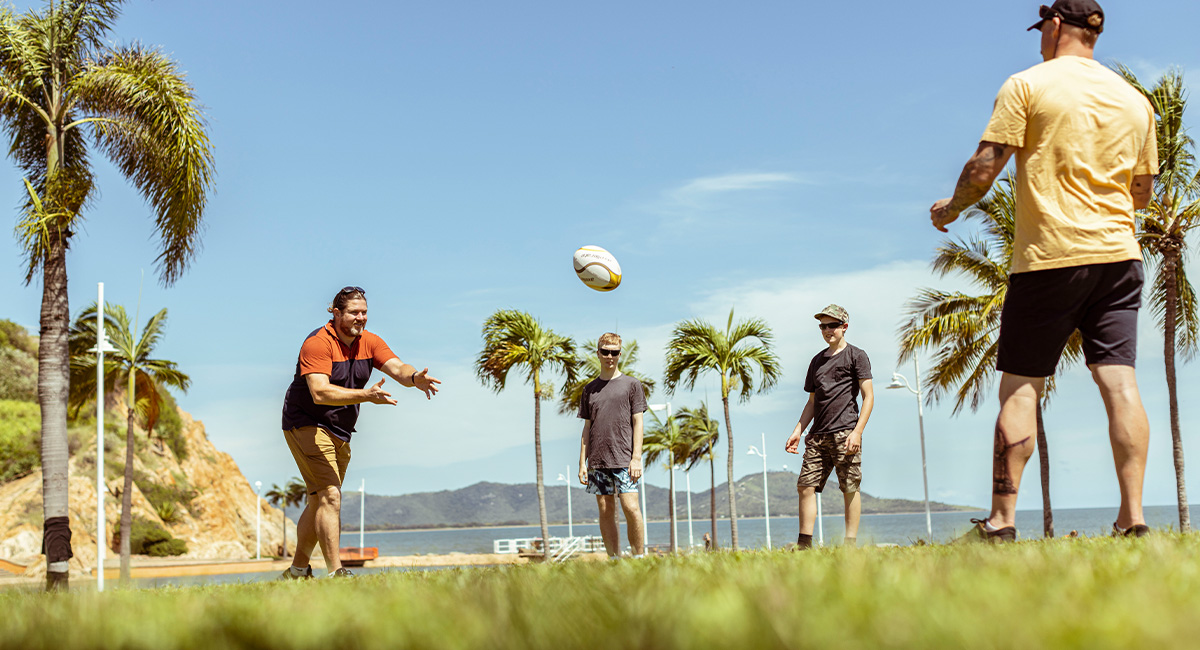
Whether playing, volunteering or cheering from the sidelines, team sport can support physical health, mental wellbeing and social connection for veterans, current serving members and their families.

While depriving ourselves of sleep makes us tired, it also can impact many aspects of our health and wellbeing.
Why sleep matters for veterans
For veterans, many years of disruptive sleep environments, shift work, training exercises, physical injuries and pain, as well as increased exposure to more traumatic situations can lead to poor sleep quality.
Additionally, current serving Defence Force members who are transitioning out of service may also experience a loss of structure that was provided by the military, leading to increased stress impacting their sleep.
Increased stress can also lead to alcohol and substance use as a coping strategy, which can be a barrier to good sleep, even if it helps a person fall asleep initially, due to reducing REM (rapid eye movement) sleep.
When veterans prioritise their sleep, the benefits flow into every part of their life. With better sleep, veterans often find they have more energy, greater resilience and an improved ability to engage fully in the moments that matter most.
The benefits of sleep
We spend nearly one-third of our lives asleep (or attempting to fall sleep), and for good reason too, with the wide range of benefits it provides to our quality of life. This includes:
How veterans can improve their sleep quality
There are simple strategies that veterans – or anyone – can employ to improve their sleep health.
Start with creating a consistent sleep schedule. By going to bed and getting up at the same time each day, this can help your body maintain a regular internal clock.
Nap wisely. Short naps during the day may help reduce sleepiness but try to keep naps to about 20 minutes in length.
Create a sleep-friendly bedroom. It is easiest to get a good night’s sleep in a bedroom that is dark, quiet and cool. Too much light or noise can make it hard to fall asleep or stay asleep. A supportive mattress and pillow can also help improve your sleep too.
Reduce bedtime beverages. Try to avoid caffeine, nicotine and alcohol before bedtime as these commonly used substances can significantly reduce the quantity or quality of your sleep.
Exercise during the day (if you can). By avoiding a vigorous work out late in the day, this will help your body to relax in the lead-up to bedtime. Exercising outside can also be beneficial as sunlight exposure can support good sleep due to melatonin production and regulating cortisol levels – but be sure to stay sun safe.
Wind down before bedtime. Try implementing a relaxing routine an hour before bed such as reading or a warm shower or bath. Then, make an effort to avoid screens 30 minutes before bedtime as phones, tablets, TVs and computers can be stimulating and make it more challenging for your brain and body to wind down at night.
Support at Mates4Mates
Veterans can also improve their sleep quality by seeking professional support from a Mates4Mates psychologist.
An effective treatment for insomnia, for example, is Cognitive Behavioural Therapy (CBTi) which targets the thoughts, behaviours and patterns that contribute to insomnia, helping veterans to develop healthier sleep habits and beliefs.
At Mates4Mates, a psychologist can help you understand your sleep patterns, identify the negative thought cycles that may be contributing to your poor sleep, and work with you to develop healthier sleep habits.
They can also support you in addressing any underlying mental health concerns, such as depression, anxiety or trauma, that may be impacting your sleep.
The Mates4Mates Online Sleep Program is also available to veterans and their families. The program aims to teach skills and strategies for improved sleep, exploring and understanding sleep from a physiological, psychological and practical perspective.
This 4-week online group program runs various times throughout the year, with expressions of interest for the August intake opening in June. Find out more here.
By building coping skills, learning relaxation strategies and learning how to manage the mental health aspects of your sleep difficulties, you can improve your sleep quality and overall wellbeing.
To find out more about how Mates4Mates can help support you, reach out to us on 1300 4 MATES (62 837) for a confidential chat.
Written by Sally Rostas, Mates4Mates Clinical Psychologist
Whether playing, volunteering or cheering from the sidelines, team sport can support physical health, mental wellbeing and social connection for veterans, current serving members and their families.