
Looking after your mental health as you age
Ageing can bring new opportunities, perspectives and strengths, but it can also involve changes to health, relationships, routines and identity.

Ageing can bring new opportunities, perspectives and strengths, but it can also involve changes to health, relationships, routines and identity.
For veterans, these changes may interact with experiences from military service – even many years after leaving the Australian Defence Force.
Good mental health is the cornerstone of healthy ageing. Your mental health not only plays an important role in regulating your emotional, psychological, and social wellbeing, but it also influences how you make decisions, manage stress, and relate to the people around you.
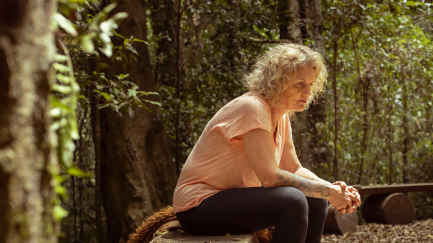
Later life can involve retirement, changes in physical health and mobility, bereavement and grief, caring responsibilities and different family roles. Some people also experience a reduction in independence or lose the routines and connections that once gave their days structure.
These changes can be challenging, and healthy ageing is about supporting your mental, physical and social wellbeing together, and drawing on help when you need it.
Military service can shape identity, relationships and ways of coping. As veterans age, retirement, reduced activity, illness, chronic pain, bereavement or more time for reflection may make some experiences from service feel more noticeable. Established coping strategies may also become less effective when routines, health, or support networks change.
For some veterans as they age, they may experience symptoms of post-traumatic stress disorder, anxiety, depression, grief, sleep problems or difficulty adjusting – long after leaving service.
Others may find it difficult to ask for help because they are used to being self-reliant, are concerned about stigma, or do not recognise that their wellbeing has changed. Not every veteran will experience mental health concerns as they age, and support is available at any stage.
People sometimes cope by avoiding difficult thoughts, withdrawing from others, or using alcohol. These responses may offer short-term relief but can make concerns harder to recognise and address.
A major national study conducted by the Department of Veterans’ Affairs showed that around half of all Australian veterans experience a diagnosable mental health or substance use condition after service. A long-term study of Australian Vietnam War veterans also identified alcohol use disorder among some veterans aged 60 to 80.
Mental health conditions can be treated at any stage of life. Recognising changes and addressing them early can lead to much better outcomes over time.
You may notice changes in yourself or someone close to you. It may be time to seek support when changes are persistent, worsening or affecting everyday life. Signs can include:
Sometimes the signs are less obvious. A person may become quieter, avoid conversations or simply seem different from usual. A trusted family member, friend, GP, or health professional may also notice changes.
Thoughts of suicide, self-harm, or feeling that others would be "better off without you" should always be taken seriously and addressed as soon as possible. If you or someone you care about is in danger, call Triple Zero 000, or Open Arms 24-hour crisis line: 1800 011 046.
Veterans and their families can also access support through Beyond Blue, Lifeline, MensLine, and 1800 Respect.
Maintaining your mental health as you age is all about creating healthy habits, staying connected, and building your support network. Small, simple tips include:
Getting help can be daunting, but early intervention can make a big difference.
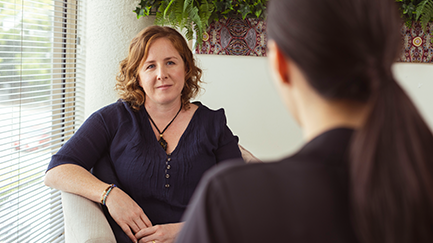
Psychological support is not only for times of crisis – it can help people understand what they are experiencing, develop useful strategies and remain mentally healthy as life changes.
Mates4Mates takes a holistic approach to recovery and wellbeing, recognising the connections between mental health, physical health, relationships, identity, social connection and purpose.
Psychologists, counsellors and social workers at Veteran & Family Wellbeing Centres can support veterans and their families experiencing concerns such as trauma and PTSD, anxiety, depression, grief, adjustment difficulties, sleep problems, relationship concerns and addiction.
Depending on your needs, support may help you:
Support can also extend beyond the therapy room. Physical rehabilitation and Skills for Recovery Programs can help people rebuild confidence, strengthen relationships, reconnect with others and find meaningful ways to move forward.
Importantly, support is also available to eligible family members. The wellbeing of veterans and their families is interconnected, and family members do not have to wait for the veteran in their life to seek help before accessing support themselves.
To find out how Mates4Mates can help support you, reach out to us on 1300 4 MATES (62 837) for a confidential chat.
Written by Kia Karimi, Mates4Mates Psychologist
Ageing can bring new opportunities, perspectives and strengths, but it can also involve changes to health, relationships, routines and identity.