Good cardiovascular health helps you stay active and take part in everyday life. Whether you're getting started or looking to build your fitness, finding movement that works for you is a useful place to begin.
Cardiovascular health refers to how well your heart, lungs and circulatory system work together to meet the demands of your body.
Good cardiovascular fitness helps your body deliver the blood and oxygen it needs and supports our ability to move, exercise and complete everyday activities. Maintaining good cardiovascular fitness is also an important part of supporting our overall physical health and wellbeing.
For veterans living with injury, chronic pain or other health conditions, maintaining cardiovascular fitness can be particularly valuable in supporting physical function, overall health and quality of life.
Building your cardiovascular fitness
Our bodies adapt to the demands we place on them, and the cardiovascular system is no different. Regular physical activity that appropriately challenges the heart and lungs can help build cardiovascular fitness over time.
Exercise does not need to be complicated or require expensive equipment or a gym membership. What matters is finding the right dose for you – the duration and intensity of activity that suit your current fitness and circumstances.
A good starting point is choosing something you can do consistently and gradually building the duration or intensity as your fitness improves. Current Australian guidelines recommend moderate-to-vigorous activity for 30 minutes or more on most days, alongside regular strengthening and other forms of movement.
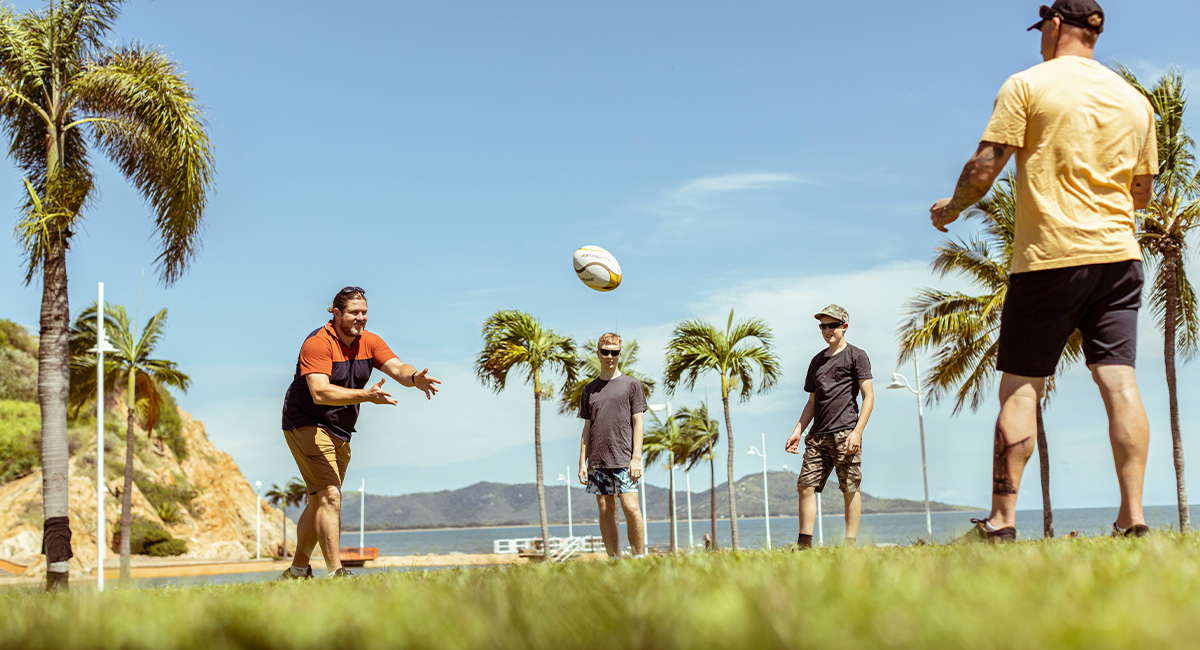
You don't need to go from doing very little to training every day – walking, cycling, swimming or other activities you enjoy can all be useful. Look for opportunities to move more and sit less throughout the day, then gradually build from there.
Don't forget that participating in physical activity post-service does not look the same as exercising during military training, and focusing on the foundations of movement is key.
Recognising when you need support
If you find yourself becoming more breathless than expected when climbing a flight of stairs, walking a short distance or completing everyday activities, it may be a sign that your cardiovascular fitness could be improved.
Breathlessness can have many causes – speak with a health professional if you experience new, unexplained or significant shortness of breath, particularly during activities that would not normally make you breathless.
One of the biggest barriers when it comes to improving cardiovascular fitness can be worrying that exercise will make pain or an existing health condition worse. Previous injuries, pain, reduced confidence, fatigue or simply not knowing where to start can all make becoming more active feel challenging.
The good news is that physical activity can be adapted to suit different abilities and health conditions. Australian guidelines encourage adults, including people living with chronic conditions or disability, to be active while recognising that some people may benefit from tailored advice from a health professional.
Cardiovascular fitness may also have benefits for people living with pain. Recent research found that higher estimated cardiovascular fitness was associated with lower odds of chronic pain and more favourable changes in pain severity over time.
If you're unsure how much exercise is right for you, a physiotherapist or exercise physiologist can help you find an approach based on your health, current fitness, symptoms and goals.
Support at Mates4Mates
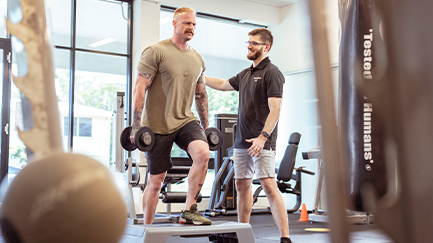
Mates4Mates physical rehabilitation team of physiotherapists and exercise physiologists can assess veterans’ and family members’ current cardiovascular health needs and develop an individualised program around the goals they want to achieve.
They don't just look at physical health in isolation. They consider the broader picture, including social and psychological factors and how these can interact with physical health, exercise and recovery.
They can also help build confidence in movement, address fears around exercise and work towards goals that are meaningful to you.
To find out how Mates4Mates clinicians at Veteran & Family Wellbeing Centres can help support you, reach out to us on 1300 4 MATES (62 837) for a confidential chat.
Written by Baxter Mahutonga, Clinical Lead – Physical Rehabilitation & Wellbeing Services, Mates4Mates