
The benefits of team sports
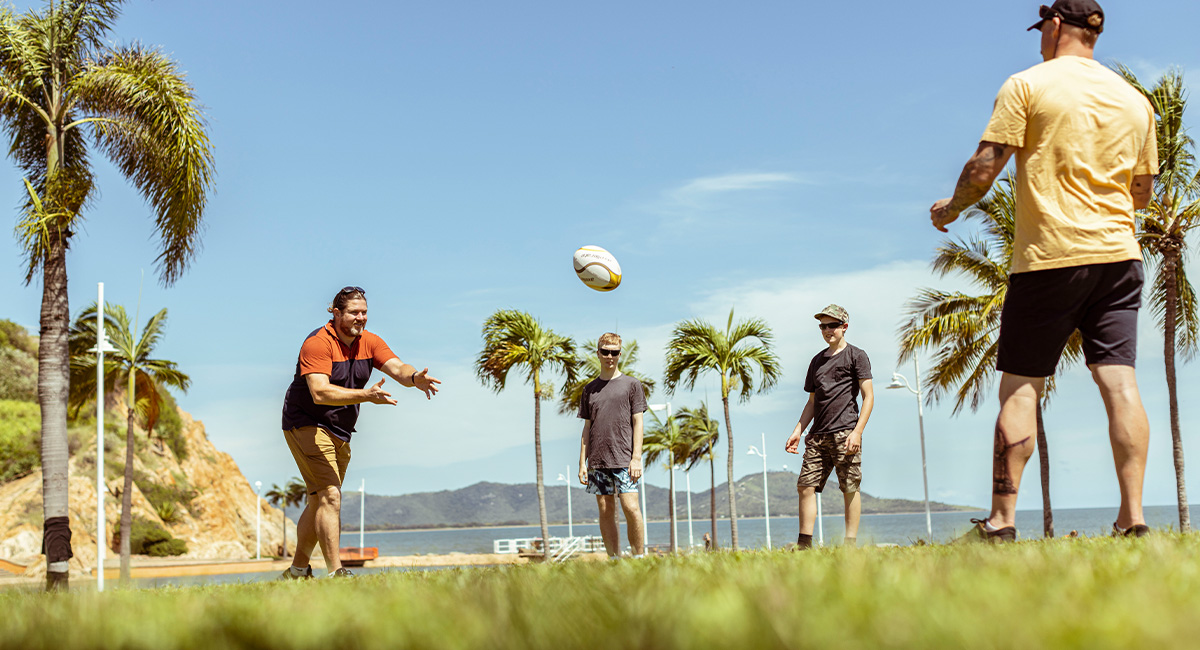
Whether playing, volunteering or cheering from the sidelines, team sport can support physical health, mental wellbeing and social connection for veterans, current serving members and their families.

Grief is often associated with the death of a loved one. While this is one of the most recognised forms of grief, it is not the only way people experience loss.
For veterans and Defence families, grief can arise as the result of many significant changes that can happen throughout military life. Injuries, medical discharge, transition from service, frequent relocations, separation from loved ones and the loss of military identity can all create feelings of grief that are every bit as real and impactful as bereavement.
Understanding these experiences is an important step towards recognising when you might need support.
Military service shapes a person's identity, sense of purpose, daily routine and relationships. It often provides a strong sense of belonging and connection to something larger than oneself.
When that changes, whether through injury, illness, retirement or discharge, veterans may find themselves grieving the loss of the future they had planned, the role they once performed, or the community they felt part of.
Grief is not simply sadness about what has been lost. It changes all the little predictions the brain makes about what to expect each day, making it painful and difficult to adjust to.
For some veterans, grief may stem from a loss of physical capability following injury. Defence roles often place a strong emphasis on competence, performance and self-reliance. When an injury changes what a person can do, they may also find themselves grieving the version of themselves they once knew.
Others may experience grief through the loss of identity and purpose that can accompany transition out of service. The military can be an important part of how people understand who they are, where they belong and how they contribute to the world around them. Leaving that environment can create a sense of uncertainty and loss.
The Defence community is unique. Shared experiences, strong camaraderie and a clear sense of belonging can create bonds that last a lifetime. For some veterans, transitioning out of service can feel like losing their tribe.
Frequent postings and relocations can also contribute to grief. Moving away from established support networks, communities and familiar places can lead to feelings of loss that accumulate over time. Defence families can experience similar challenges as they adapt to repeated changes in schools, friendships, work and community.
Military service can also result in missed milestones, such as the birth of a child, family celebrations or important life events. While service members often accept these sacrifices as part of their role, the emotional impact can still be felt for a long time afterwards.
At its core, grief is a period of transition. As people adjust to a new reality, they can experience uncertainty, anxiety and changes in their sense of self.
Some people notice emotional experiences, or painful emotions, such as sadness, anger, guilt or loneliness. Others may experience changes in sleep, concentration, motivation or daily routines.
Grief can also affect relationships, particularly when someone feels disconnected from the people, roles or activities that once brought meaning to their life.
While grief following a transition or loss may look different from grief after the death of a loved one, it can still have a significant impact on your wellbeing and quality of life.
There is no right way to grieve and no set timeline for healing.
Grief can ebb and flow, with difficult days appearing alongside moments of acceptance and growth. One of the most important steps is recognising that grief is a normal human response to loss and allowing space for those emotions rather than avoiding them.
Many people find it helpful to maintain routines, spend time with friends and family, take part in activities and seek professional support when needed. Having safe people to talk to can make a big difference during periods of adjustment and change.
Grief is not a problem to be fixed. It is a process that people move through in their own way and at their own pace.
Mates4Mates services offer veterans and families access to mental health and wellbeing services, including counselling, psychology and social work support. These services can offer a safe space to explore feelings of grief, navigate periods of transition and address challenges such as anxiety, depression or trauma.
Mates4Mates clinicians understand the unique experiences of the Defence community and regularly support veterans as they adjust to life changes, rediscover purpose and develop a broader understanding of their identity beyond military service.
Social connection events offered through Veteran & Family Wellbeing Centres can also help veterans and families reconnect with others who understand the realities of military life, fostering a renewed sense of belonging and support.
To find out how Mates4Mates can help support you, reach out to us on 1300 4 MATES (62 837) for a confidential chat.
Written by Allison Chambers, Mates4Mates Psychologist
Whether playing, volunteering or cheering from the sidelines, team sport can support physical health, mental wellbeing and social connection for veterans, current serving members and their families.