
Looking after your mental health as you age
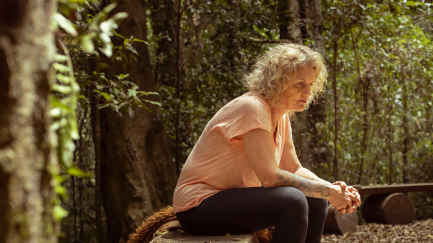
Ageing can bring new opportunities, perspectives and strengths, but it can also involve changes to health, relationships, routines and identity.

Defence Force training, exercises and deployment can place significant strain on some veterans’ lower body, leading to the development of knee and hip pain.
For some veterans, knee and hip pain can continue long after leaving the military. It can make everyday movements harder, including using stairs, running, walking up or down hills, getting on and off the ground, and taking part in meaningful activities.
Pain or reduced movement in one joint can sometimes place extra load on another. For example, a knee injury may change the way a veteran walks, which can place additional stress on the hips over time.
Other health factors, including poor sleep, nutrition, smoking and alcohol use, can also influence pain and recovery.
Addressing these factors alongside physical rehabilitation can support a veteran’s overall health and wellbeing.
The benefits of exercising safely
The good news is that movement does not always need to stop because of pain. With the right guidance, exercise can be adapted to a veteran’s current ability and gradually built up over time.
Before starting or changing an exercise routine, veterans should seek advice from a health professional, especially if pain is severe, worsening, linked to a recent injury, or affecting their ability to move safely.
Guided exercise, with the support of a physiotherapist or exercise physiologist, can help to alleviate knee and hip pain through strengthening and mobility.
Building tolerance through exercise can also improve quality of life. This means gradually exposing the knee or hip to movements that are currently difficult, then using pain levels and recovery time to guide safe progress.
For example, if stairs are difficult, an exercise professional may start by finding a step height you can manage safely. From there, they can gradually increase the challenge until you feel more confident returning to the activities you were doing before the pain began.
Fear of pain can stop many veterans from returning to physical activity. With the right support, gradually reintroducing movement can help build confidence and support recovery.
It’s recommended to monitor how your pain is affected while completing exercise and then continue to monitor it for the next 24 hours. If the pain remains above your usual levels, you can adapt your exercise by temporarily decreasing the intensity, volume or duration of your workout.
Begin with simple exercises
To begin knee and hip rehabilitation, exercises should start at a level that feels manageable. From there, intensity and volume can gradually increase as strength, mobility and confidence improve.
A helpful approach is to choose exercises that mimic the everyday tasks you want to return to.
For example, if you want to squat down again, you may begin with wall holds in the kitchen, progress to mini squats while waiting for the kettle to boil and then move on to high box squats with support from an exercise professional.
If you want to run again to play sport or keep up with your grandchildren, you may start with a short distance, such as 1km, and gradually progress as your tolerance improves.
You can use any exercise you want – you just need to ensure its adjusted to your current level, and if you’re unsure, reach out to our physical rehabilitation team.
Support at Mates4Mates
Knee and hip pain recovery is not a one-size-fits-all. Mates4Mates physiotherapists and exercise physiologists can support veterans and their families at Veteran & Family Wellbeing Centres with rehabilitation plans tailored to their goals, abilities and recovery needs.
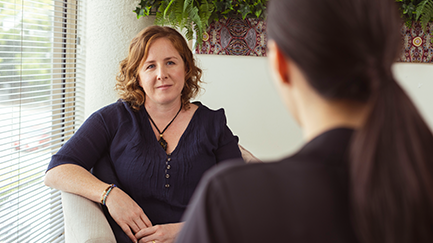
Long-term pain can also affect mental health. Some people may experience anxiety, fear avoidance or depression, which can influence recovery. Mates4Mates psychologists, counsellors and social workers can work alongside the physical rehabilitation team to provide more holistic support.
To find out how Mates4Mates can help support you, reach out to us on 1300 4 MATES (62 837) for a confidential chat.
Written by Baxter Mahutonga, Mates4Mates Clinical Lead – Physical Rehabilitation Services and Physiotherapist
Ageing can bring new opportunities, perspectives and strengths, but it can also involve changes to health, relationships, routines and identity.