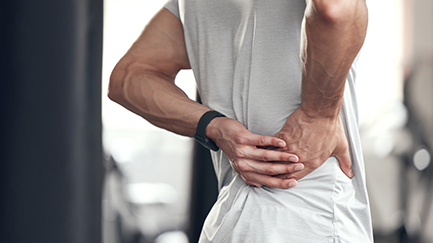
You may have heard about pelvic floor weakness, but for the millions of Australians who experience it, exercise can be a great support tool.
The pelvic floor muscles make up the bottom of your ‘core’ and can be described as a hammock that connects the base of your pelvis.
The primary purpose of the pelvic floor muscles is to control our bladder and bowel function, and any weakness can lead to incontinence, poor bladder or bowel control and feelings of urgency when going to the toilet – and it can affect both men and women.
For veterans, their time carrying heavy packs and experiencing other physical demands during service may have put extra strain on their pelvic floor and could be a contributing factor to developing pelvic floor weakness.
At
Veteran & Family Wellbeing Centres in Queensland, the Mates4Mates
physical rehabilitation team regularly supports veterans through exercise to strengthen their pelvic floor.
How exercise makes a difference
The pelvic floor is a set of muscles just like any in the body that can be strengthened and trained to work more efficiently and is benefitted by exercise.
Being physically active has many benefits including keeping bones and muscles strong, preventing chronic conditions such as type 2 diabetes or cardiovascular disease, and supporting our general wellbeing.
But did you know lower physical fitness and increased body mass are also risk factors for pelvic floor dysfunction?
Working towards achieving the physical activity guidelines of 150 minutes of moderate intensity activity across the week is a step in the right direction to maintaining a healthy pelvic floor and supporting overall health and wellbeing.
A simple pelvic floor exercise to try
Try and think of your pelvic floor as an elevator.
Think about lifting and contracting the muscles to stop you going to the toilet as you exhale and then lowering back down and relaxing them as you inhale.
You can do this exercise any time of the day, anywhere, and any in any position that is comfortable.
Aiming to do pelvic floor exercises through ‘habit stacking’ them with another common activity throughout the week, like doing the dishes or brushing your teeth, can be an easy way to help strengthen a weak pelvic floor.
Practicing these while sitting on an exercise ball can help increase your awareness of your pelvic floor, as the pressure of the ball changes under you as you contract the muscles.
If you’re experiencing pelvic floor weakness, then working with an allied health professional, like an exercise physiologist or physiotherapist, is a great first step as they can help you find out what the right dose of exercise might be for you.
Support at Mates4Mates
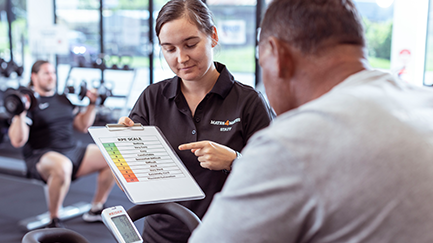
With rehabilitation gyms located within Veteran & Family Wellbeing Centres, Mates4Mates exercise physiologists and physiotherapists are experienced in supporting veterans experiencing pelvic floor weakness and other service‑related injuries and conditions.
In Brisbane and Townsville, the team also offers a matwork exercise program that are Pilates-informed classes and incorporate pelvic floor exercises.
One-on-one appointments are also available with the physical rehabilitation team in Brisbane, Townsville, Ipswich and Maroochydore to provide a tailored exercise treatment plan.
To find out more about how Mates4Mates can help support your health and wellbeing, reach out to us on
1300 4 MATES (62 837) for a confidential chat.
Written by Cathy Rowe, Mates4Mates Exercise Physiologist