

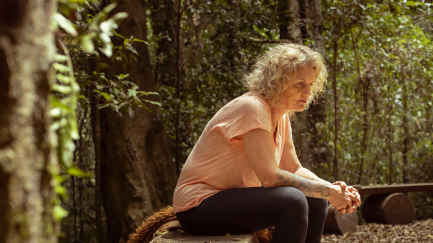
Understanding loss beyond bereavement
Grief is often associated with the death of a loved one. While this is one of the most recognised forms of grief, it is not the only way people experience loss.

The physical demands of the Defence Force can often lead to injury, and, depending on the severity, may result in medical discharge and ongoing challenges following transition.
Learning the limits of these injuries while adjusting to civilian life can have a big impact on a veteran’s physical, mental, and social health.
Common injuries for veterans
Lower limb injuries make up more than half of the common injuries in discharging veterans. The three most common injuries faced by veterans include knee injuries, back pain, and shoulder injuries. These often look like:
Injuries in the Defence Force often occur as a result of military training and operations such as pack marching, injury during deployment, jumping, carrying heavy loads and heavy lifting, and repetitive strain from routine movements.
Mental health concerns can also contribute to a higher risk of injury as anxiety, depression, and PTSD heighten stress levels, often interfering with healthy sleep and nutrition patterns.
The negative effects of injuries
Having an injury can limit your strength, mobility and ability to participate in meaningful tasks such as work and hobbies. Those who have been injured will often face ‘injury anxiety’ and will ask questions along the lines of:
Having an injury that lasts for an extended period of time can cause feelings of helplessness and depression, and it might affect your social health, leading to self-isolation.
Managing an injury and where to start
Grief is often associated with the death of a loved one. While this is one of the most recognised forms of grief, it is not the only way people experience loss.