

Understanding loss beyond bereavement
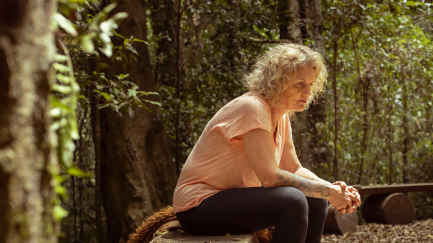
Grief is often associated with the death of a loved one. While this is one of the most recognised forms of grief, it is not the only way people experience loss.

The Christmas season means different things to people depending on their social, family, economic, religious and health circumstances. Whilst it is often depicted in the media as a joyous, exciting, and rewarding time, the reality is that not everyone experiences the season like this. This year our circumstances may also be radically altered because of COVID-19 restrictions, changing the way we can connect with others.
Reach out to your existing network. Spend time catching up over coffee, walking around a marketplace or watching a movie.
Make time each day to call a friend or visit someone.
Start conversations with neighbours or organise a Christmas street get together.
Use social media to stay in touch with long-distance friends or write a letter.
Ask people to join you for physical activities, go for a long walk, join a group fitness class, or try a new sport.
Learn a new skill or focus on what you are interested in. The holiday period can be a great time to revisit an old hobby you’ve set aside and connect with others who share your interests.
Volunteer to deepen your sense of purpose and help others.
If you’re struggling with loneliness, make a pledge to connect this holiday season. Strengthen those all-important bonds — because when we connect, we thrive.
For 24-hour support over the Christmas break, reach out to Open Arms on 1800 011 046 or Lifeline on 13 11 14.
Written by Georgia Ash, National Clinical Manager
Grief is often associated with the death of a loved one. While this is one of the most recognised forms of grief, it is not the only way people experience loss.