

Looking after your mental health as you age
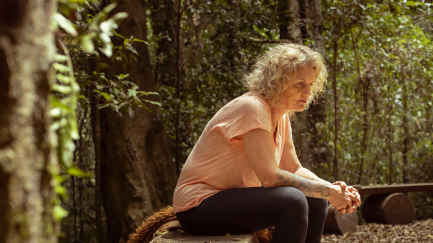
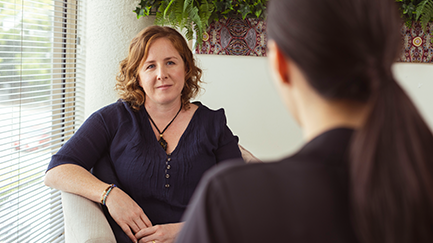
Ageing can bring new opportunities, perspectives and strengths, but it can also involve changes to health, relationships, routines and identity.

We’ve all had it. That dull ache in our lower back, a tightness or a pinch that stops us from doing the things we like to do. But how can we help it?
3. Your posture: How do you sit, drive in your car, walk, or pick up things? Becoming aware of our daily movement patterns and habits can help keep us healthy and reduce our pain levels. Think about how many muscles you can use to complete a movement.
4. Your movement: The body is designed to be warm and to move fluidly. Sedentary behaviours can increase muscle tension and a breakdown of supportive muscles that we need to help protect the spine and move functionally. Even a short walk around the block or five minutes of stretching can help reduce pain and improve mobility. Small consistent efforts over time can bring positive, long term results.
Need a hand working out what’s right for you and your lower back? Our accredited Exercise Physiologists can assess your functional movement and help formulate a lower back treatment plan individualised to you. If you have a diagnosed lower back condition, talk to your GP about your eligibility to be referred to one of our Exercise Physiologists.
Written by Mates4Mates Exercise Physiologist, Lauren Kelly
Ageing can bring new opportunities, perspectives and strengths, but it can also involve changes to health, relationships, routines and identity.