
The benefits of team sports
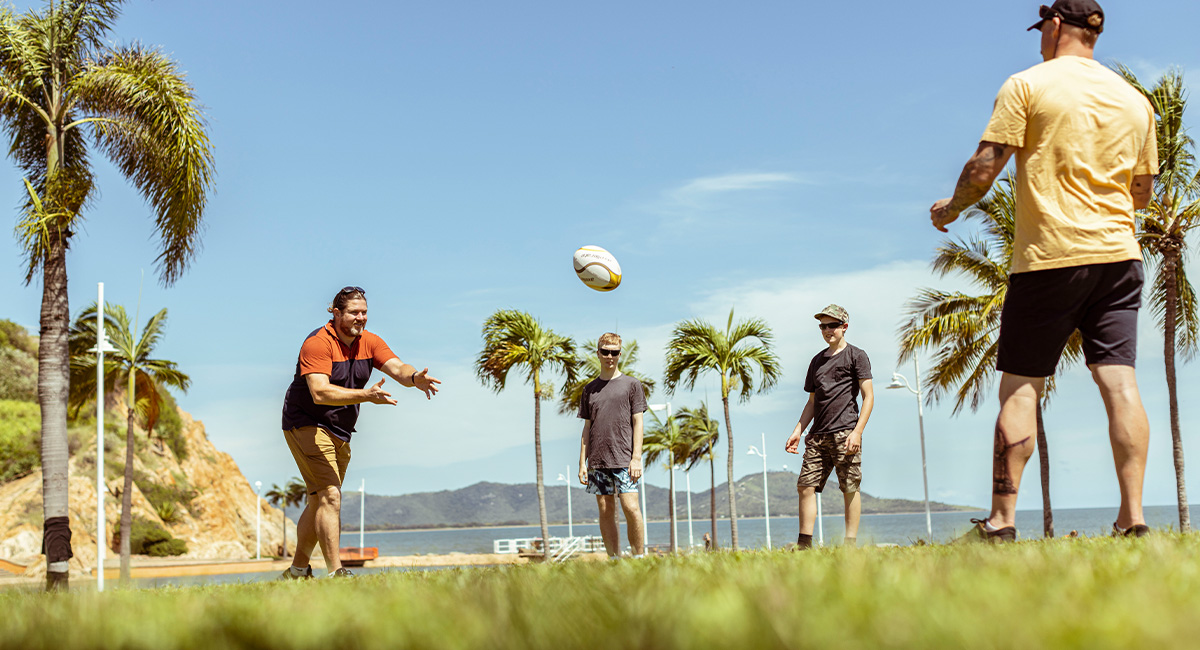
Whether playing, volunteering or cheering from the sidelines, team sport can support physical health, mental wellbeing and social connection for veterans, current serving members and their families.

Have you ever noticed your breathing? Whether we are at rest, moving or exercising, our breath changes in accordance with the activity and can make a big difference to our performance and mood. Our Exercise Physiologist Lauren explains why.
Gray Cook a co-founder of Functional Movement Systems (2020) breaks breathing down into primary and secondary functions. Primary functions include the body’s biomechanical and biochemical functions which most of us are familiar with – the actions of breathing, gas exchange and its effects. But breathing also plays an important secondary role in speech, posture, creating balance in the body (homeostasis) as well as the self-regulation of emotions and our mental states.
Dysfunctional breathing can affect overall health and musculoskeletal performance, even contributing to how we handle pain mentally and physically and move functionally.
Take a moment to pay attention to your breath right now. Are you holding it? Taking shallow breaths? Slowing down and learning to breathe deeply helps to utilise our diaphragm –the big elastic muscle at the base of our ribs. Using our diaphragm can slow our heart rate, help us to take in more oxygen and expel waste products, and relax our body and mind.
Not sure how? Try placing your tongue on the roof of your mouth and inhale as deeply as you can through your nose. Feel your ribs rise and expand and your belly lift. Exhale slowly and audibly through your mouth for as long as you can. Feel your belly brace as it helps to expel the air. Try this for 10-20 breaths and repeat three times daily. Remind yourself to do this again when exercising, or if you are feeling rushed or tired and see if you can notice the benefits. Need support? A Mates4Mates yoga class or one of our Exercise Physiologists can assist you with technique and help you get the most out of your breath and your function.
Written by Mates4Mates Exercise Physiologist, Lauren Kelly
Whether playing, volunteering or cheering from the sidelines, team sport can support physical health, mental wellbeing and social connection for veterans, current serving members and their families.